Health is about much more than what happens when we visit a GP or hospital. It is shaped by where we live, the work we do, our income, our environment, our experiences and whether we are able to access the right support at the right time.
For Black communities in Britain, these factors can sometimes combine to create significant differences in health and healthcare.
These differences are known as health inequalities.
What are health inequalities?
Health inequalities are unfair and avoidable differences in health between different groups of people.
They can affect:
- how likely we are to develop particular health conditions;
- how early illnesses are identified;
- how easily we can access healthcare;
- our experiences when receiving treatment;
- how long we live in good health; and
- our overall quality of life.
NHS England recognises that people from Black and other minority ethnic communities are among the groups at greater risk of experiencing health inequalities.
But it is important to understand what this doesn't mean.
Being Black does not automatically mean being unhealthy.
Health inequalities are influenced by a complex combination of factors, including income, housing, employment, discrimination, access to services, previous experiences of healthcare and the wider conditions in which people live and work.
Some conditions affect our communities differently
There are some health conditions where increased risks have been identified within African and Caribbean communities.
For example, NHS guidance identifies people from Black African and African Caribbean backgrounds among those who may have an increased risk of cardiovascular disease. People from Black and other minority ethnic groups are also at greater risk of Type 2 diabetes compared with White populations, even at equivalent BMI levels.
High blood pressure is another important example.
It often has no obvious symptoms, meaning someone can have hypertension for years without knowing it. NHS data has previously found age-adjusted hypertension prevalence to be highest among Black Caribbean, Black African and Pakistani adults.
This is one reason why prevention and early detection matter so much.
Access to healthcare matters too
Health inequality isn't only about who develops an illness. It is also about whether people receive the right care at the right time.
There can be many barriers.
Some people may struggle to get appointments around work or caring responsibilities. Others may have difficulties with transport, digital systems or understanding complicated health information.
And sometimes people simply do not trust services.
A poor experience in the past can influence whether somebody feels comfortable seeking help again.
NHS England recognises barriers including service availability, transport, childcare, language, literacy, previous poor experiences, misinformation and fear.
That is why listening to communities is so important.
Our health deserves our attention
Talking about health inequalities shouldn't leave us feeling powerless.
Quite the opposite.
Knowledge gives us an opportunity to act.
We can know our blood pressure. We can attend screening when invited. We can talk to our GP when something doesn't feel right. We can learn about our family medical history. We can look after our mental wellbeing as seriously as our physical health.
And we can look out for one another.
Sometimes a simple conversation with a relative, neighbour or friend can make a difference:
"Have you had your blood pressure checked recently?"
"Did you make that doctor's appointment?"
"You haven't seemed yourself lately. How are you?"
These conversations matter.
The power of community
Improving Black health cannot simply mean telling individuals to make healthier choices.
Health services also need to listen to communities, understand people's experiences and make services accessible, culturally appropriate and responsive.
The NHS has recognised the importance of working with trusted community organisations and community connectors because they can help health services understand the barriers local people experience and find better ways of reaching communities.
That is where organisations such as Black Health Forum have an important role to play.
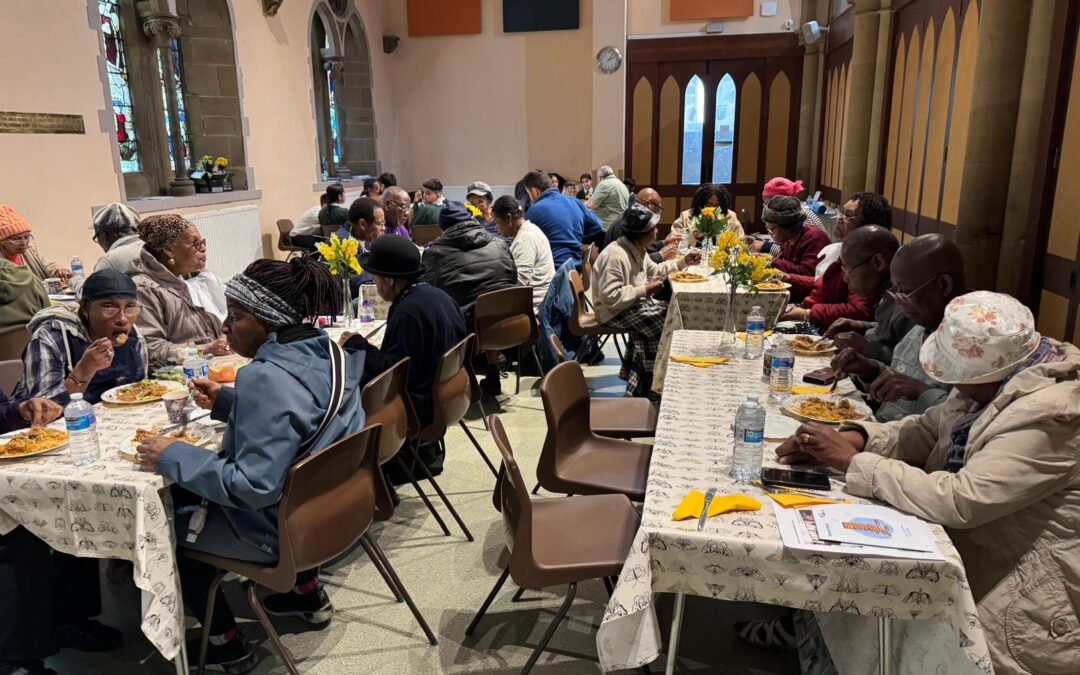
By creating opportunities for conversation, sharing trusted information, listening to lived experience and connecting communities with services, we can help make health information something that happens with communities rather than to them.
Black health matters every day
We should not wait until somebody becomes seriously ill before we start talking about health.
Prevention matters.
Early diagnosis matters.
Mental wellbeing matters.
Healthy ageing matters.
And having communities that feel informed, listened to and confident about accessing healthcare matters too.
Our health is one of our greatest assets. Looking after it starts with knowledge, conversation and action.